As 2026 approaches, the U.S. trucking industry continues to show signs of long-term strength, driven by steady freight demand, rising driver compensation, and ongoing investment in technology and infrastructure. Industry observers note that despite economic shifts and technological change, trucking remains a critical pillar of the national supply chain.
Transportation analysts report that the demand for qualified commercial drivers remains high, particularly in freight-heavy regions with major ports, warehouses, and distribution centers. This sustained need has led to faster hiring timelines and a wider range of route options for licensed drivers.
Driver Demand Continues Across Key Markets
While automation and efficiency tools continue to advance, industry experts agree that trucking operations still depend heavily on skilled human drivers. Ongoing workforce shortages have kept driver recruitment a priority for carriers nationwide, especially in states with high freight volume.
For drivers already holding commercial licenses, the current market offers flexibility in route selection, geographic placement, and scheduling. Employers are actively recruiting both experienced drivers and newly licensed professionals to keep up with freight movement.
Compensation and Benefits Trend Upward
Carriers have responded to labor competition by improving pay structures and benefit offerings. Industry data shows that wages have remained competitive entering 2026, supported by incentives such as bonuses, healthcare coverage, and scheduling options aimed at long-term retention.
In addition to base pay increases, many carriers have expanded incentive programs designed to reduce turnover and encourage driver loyalty, reflecting a broader shift toward treating trucking as a sustainable career rather than short-term employment.
Technology Enhances Safety and Efficiency
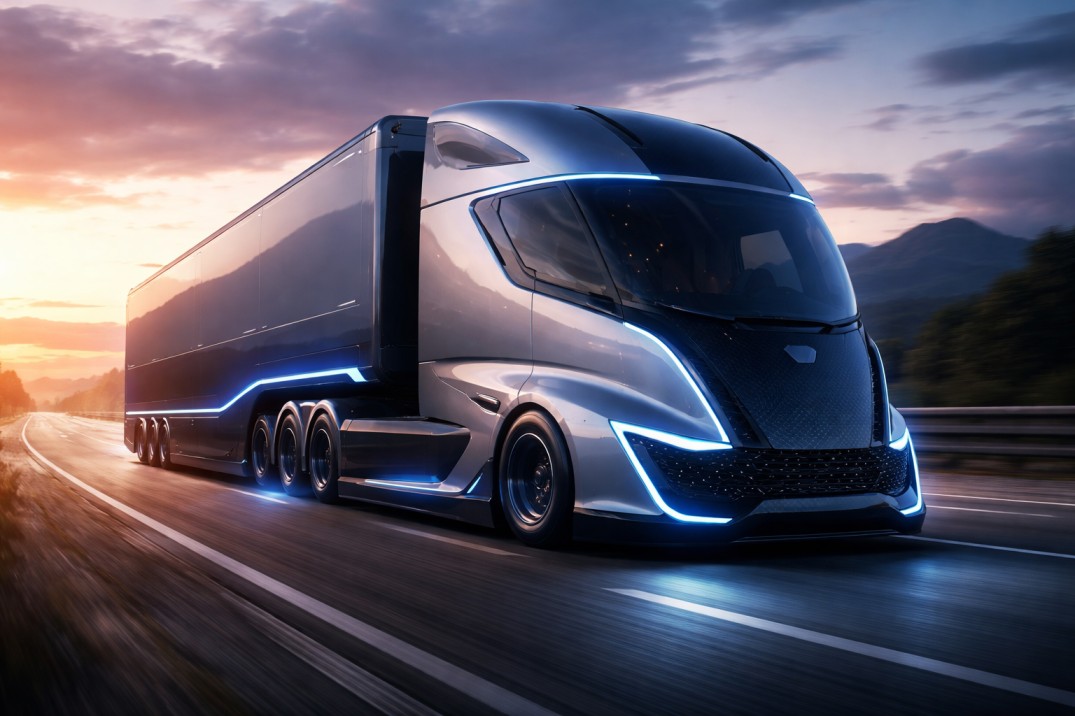
Modern trucking fleets continue to adopt technologies designed to improve safety and operational efficiency. Advanced driver-assist systems, electronic logging tools, and route-optimization software are now standard across many fleets.
Industry experts emphasize that these tools are intended to support drivers by reducing risk, simplifying compliance, and improving daily workflow—not to replace the role of the professional driver.
Growth in Local and Regional Routes
Another notable trend entering 2026 is the expansion of local and regional trucking opportunities. Increased demand from e-commerce fulfillment, port logistics, and regional distribution hubs has shifted portions of freight movement away from long-haul routes.
This shift has resulted in more positions that allow drivers to remain closer to home while maintaining reliable income, a change that industry analysts say is influencing how new and existing drivers approach career planning.
Outlook for 2026 Remains Stable
Looking ahead, transportation economists describe the trucking sector as resilient and adaptable. While challenges remain, the industry’s ability to evolve alongside economic and technological changes has positioned it for continued relevance.
As freight demand persists and infrastructure investment continues, trucking is expected to remain a vital component of the U.S. economy throughout 2026 and beyond.